
1. When considering a new media room, it is important to understand the many custom home theater benefits that a professionally designed system provides over retail alternatives.

Enhanced Entertainment Experiences
A custom home theater system completely redefines how you experience movies, sports, and gaming at home. Unlike out-of-the-box retail setups, a professionally engineered system delivers flawless audio video integration. By precisely calibration high-end audio, strategically placing premium speakers, and optimizing stunning 4K or 8K visual displays, you get a fully immersive, cinematic environment. Every seat becomes the best seat in the house, blending breathtaking performance with the luxury aesthetic of your home.
Increased Property Value
In the competitive luxury real estate market across Palm Beach and Boca Raton, high-end amenities are a massive selling point. A dedicated, professionally installed home cinema is highly sought after by modern homebuyers who prioritize sophisticated entertainment spaces. Beyond the immediate lifestyle benefits, integrating premium smart home automation and a custom theater system elevates your property’s market appeal and long-term appraisal value, making it a smart investment for your estate.
Another one of the top custom home theater benefits is the ability to tailor solutions to your unique space
Every home has a unique architectural footprint, and every homeowner has a distinct vision. Custom home theater design rejects the “one-size-fits-all” approach, ensuring your system is engineered precisely for your space—whether it’s a dedicated media room on Palm Beach Island or a multi-purpose entertainment area in a Boca Raton estate. From acoustic treatments hidden behind premium fabrics to custom seating layouts and bespoke cabinetry, every element is tailored to match your personal lifestyle, aesthetic tastes, and interior decor.
Durability and Integration with Smart Technologies
A truly luxury cinema experience relies on premium, enterprise-grade hardware designed for exceptional longevity and performance. Unlike standard retail equipment, commercial-grade custom theater systems are built to endure. Furthermore, these systems reach their full potential when paired with seamless smart home automation. By integrating your audio video setup with platforms like Control4 or Lutron, you can effortlessly manage your architectural lighting, motorized shades, climate, and audio streams with a single touch or voice command, creating the ultimate automated environment.
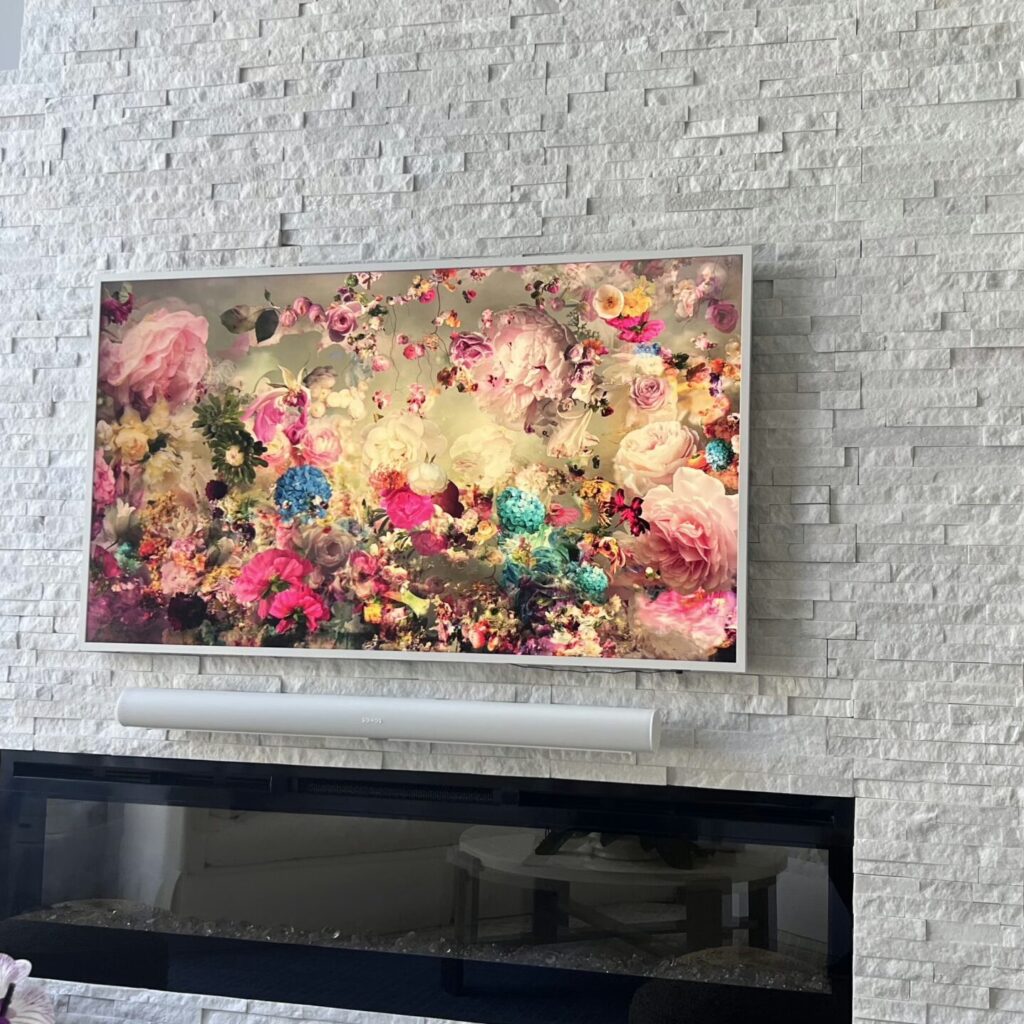
2. I own a Denon Receiver, would like to install a Soundbar, was looking at Sonos
Many clients want a sleek, modern look without sacrificing high-end performance. If you own a Denon receiver, you should skip the retail soundbar. Instead, use a passive soundbar. It delivers superior audio quality because it pairs with your dedicated receiver. It provides the clean aesthetic you want while maintaining the powerful performance of a professional, wired system.
Depending on your entertainment goals, you generally have two expert paths to choose from:
If simplicity and whole-home audio are your priorities, choose Sonos. You can move away from a traditional receiver and install a premium soundbar like the Sonos Arc. It offers a streamlined, wireless streaming experience
Before purchasing, consult with a professional integrator. We can evaluate your room’s acoustics and design a seamless audio system tailored precisely to your spac
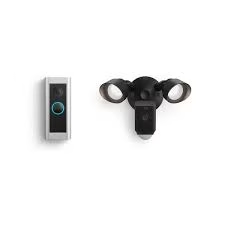
My house has pre-installed security cameras. I want to install a Ring doorbell, but is it compatible with my current system?
The short answer is no, a standard Ring doorbell will not directly integrate or communicate with an older, pre-existing hardwired security camera system. Ring operates entirely on a proprietary cloud-based app, whereas older cameras installed during a home’s construction typically run on an independent hardwired coax or Ethernet network connected to a physical Digital Video Recorder (DVR) or Network Video Recorder (VR) in a media closet.
However, they can still coexist, and we can help you bridge the gap depending on how seamless you want your smart home to be:
- The Coexistence Approach (Two Apps): You can absolutely install a Ring doorbell to handle your front door monitoring, quick two-way talk, and mobile alerts. Your existing perimeter security cameras will continue to record independently to their dedicated recorder. The downside is that you will have to jump between two separate apps to see all your footage.
- The Unified Smart Home Solution (Recommended): If your goal is to view your front door camera and your property’s security cameras on the exact same interface—or even pull them up on your TV or a dedicated touch panel—we recommend a unified integration platform like Control4. By upgrading your front door to a smart intercom (like the Control4 Chime) or using compatible commercial-grade IP cameras (like Araknis or Luma), we can integrate your entire security perimeter into one seamless, high-end automation system.
Before purchasing a retail video doorbell, have a professional systems integrator inspect your existing wiring panel. Many pre-wired homes already have high-quality category cables running to the front door that can power superior, commercial-grade entry systems without relying on patchy home Wi-Fi networks.
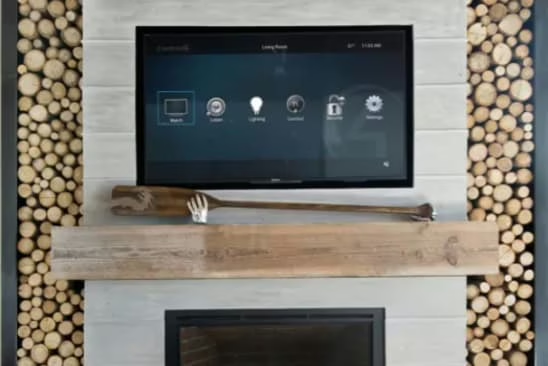
What are the benefits of choosing Control4 over a standard smart home app?
While DIY smart home products rely on separate apps that don’t talk to each other, Control4 is an enterprise-grade automation platform that unifies your entire estate into a single, flawless system. Instead of jumping between apps for your lighting, climate, security, and audio, Control4 orchestrates everything together. It allows for personalized automation “scenes”—like a “Goodnight” button that locks all doors, arms the security system, turns off the audio video integration, and sets the climate. Additionally, Control4 operates on ultra-reliable, hardwired infrastructure rather than relying on standard home Wi-Fi, ensuring your system responds instantly and securely. Most importantly, Control4 protects your investment long-term. With legacy systems like Crestron, RTI, or AMX, the original source code belongs exclusively to the original programmer. If you ever change service providers and don’t have that source file, you will be forced to pay thousands to reprogram the entire estate from scratch. Because Control4 uses an open, dealer-accessible architecture, any certified Control4 programmer can securely read, update, and service your system code seamlessly. At worst, you’ll only ever face standard processor hardware upgrades, never a costly ground-up rewrite.
Comments are closed